
Meriwether Lewis
Meriwether Lewis was not only an explorer but also a careful observer of nature. During the Lewis and Clark Expedition, he recorded detailed descriptions of animals and plants that were unfamiliar to American science. His journals helped document species such as the grizzly bear, prairie dog, and pronghorn. His scientific curiosity made the expedition valuable far beyond its maps and discoveries.
William Clark
William Clark was not only an explorer but also a skilled mapmaker. During the Lewis and Clark Expedition, he carefully recorded rivers, mountains, trails, and landmarks as the group traveled west. His maps became some of the most accurate descriptions of the American West available at the time. Clark’s work helped later travelers, traders, and settlers understand the vast territory.
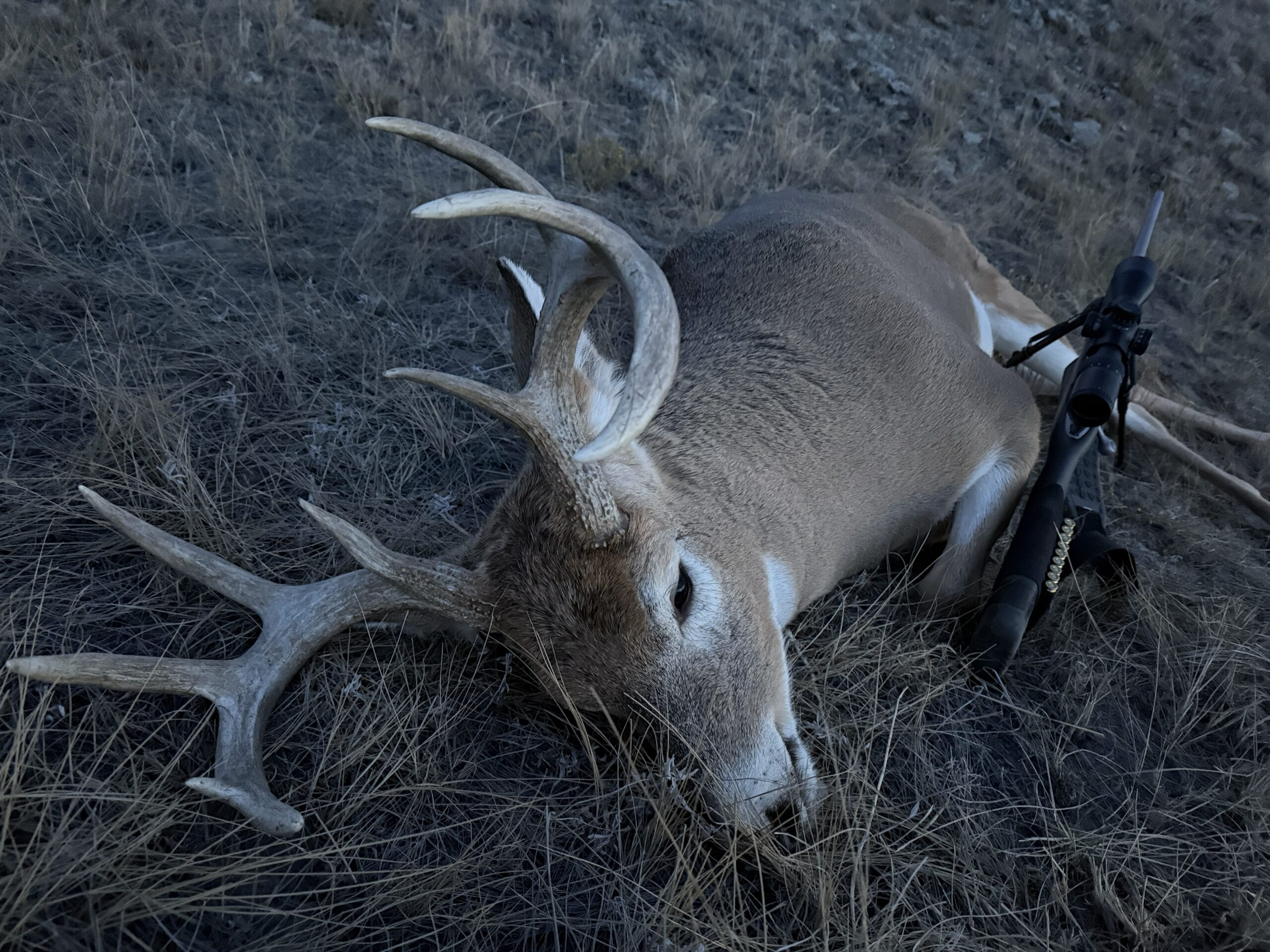
Whitetail Deer FACT
White-tailed deer get their name from the bright white underside of their tails. When frightened, they raise the tail like a flag while running away, warning other deer of danger. They are excellent jumpers and can clear obstacles several feet high. White-tailed deer are also highly adaptable and live in forests, grasslands, farms, and even areas near towns.
There are roughly 30 million white-tailed deer in the United States, making them one of North America’s most abundant large wild mammals. Around 1900, only about 300,000–500,000 white-tailed deer remained in the United States after years of unregulated hunting and habitat loss. Today, their population is estimated at just over 30 million, roughly 60 to 100 times larger. This recovery is considered one of North America’s greatest wildlife-conservation successes.
%